Get Block Wall Installation in Long Island, NY
Local contractors in Long Island, NY, can install durable block walls for privacy, security, property boundaries, or decorative purposes on residential and commercial projects.
If property owners in Long Island, NY, are considering a new or upgraded block wall, they are likely exploring options to enhance privacy, define outdoor spaces, or improve security. Planning such a project involves understanding the different styles, materials, and construction techniques available, as well as identifying reputable local contractors who can deliver quality results. Staying informed about the choices in the area can help property owners make confident decisions that align with their property’s needs and aesthetic preferences.
Comparing local service providers ensures property owners find experienced professionals capable of handling block wall installation with attention to detail and durability. Whether for residential or commercial properties, selecting the right contractor can make a significant difference in the longevity and appearance of the finished wall. Continuing to explore local options allows property owners to gather the information needed to choose the best fit for their project and ensure a successful outcome.
- Residential property boundaries - homeowners in Long Island neighborhoods may need block wall installation to define yard lines or create privacy.
- Commercial landscaping projects - businesses in Nassau or Suffolk County might require sturdy block walls for security and aesthetic purposes.
- Retaining walls for hillside properties - property owners with sloped land in areas like Huntington or Smithtown may seek block walls to prevent erosion and improve stability.
- Outdoor living space enhancements - residents looking to add patios or seating areas in their backyard could benefit from block wall construction.
- Fence replacements or upgrades - property owners needing durable barriers for safety or privacy may contact local contractors for block wall services.
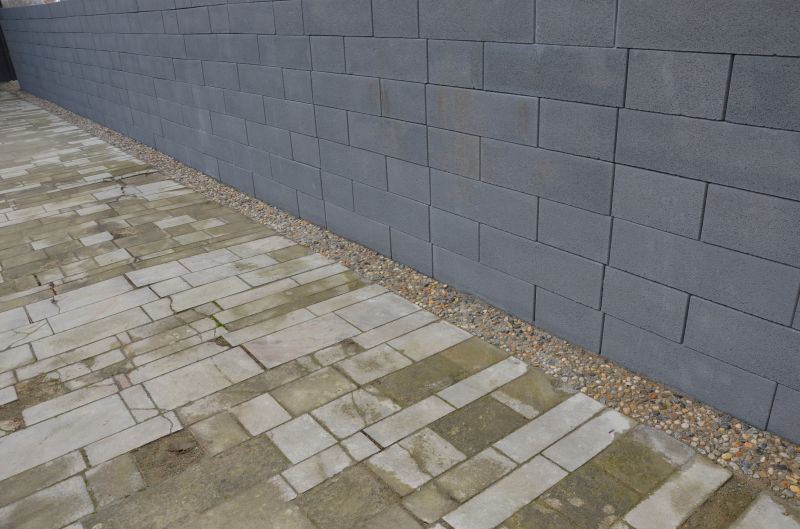
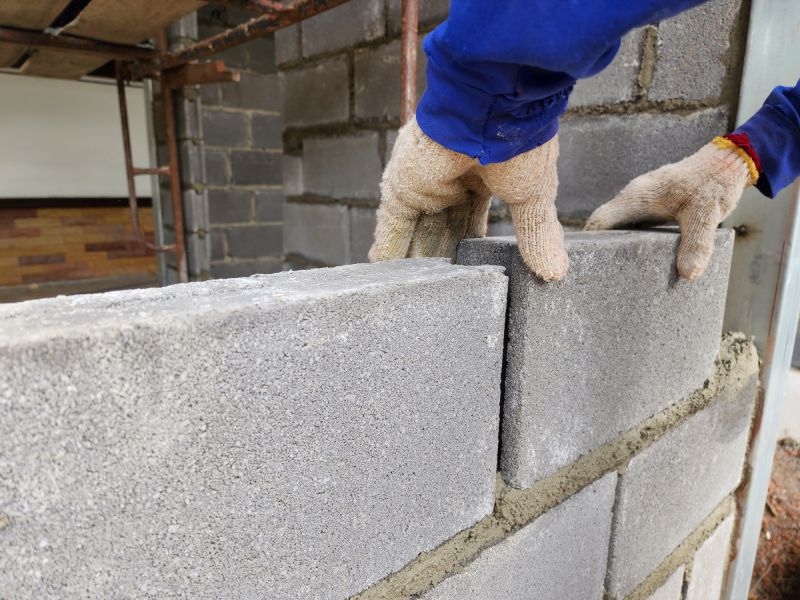
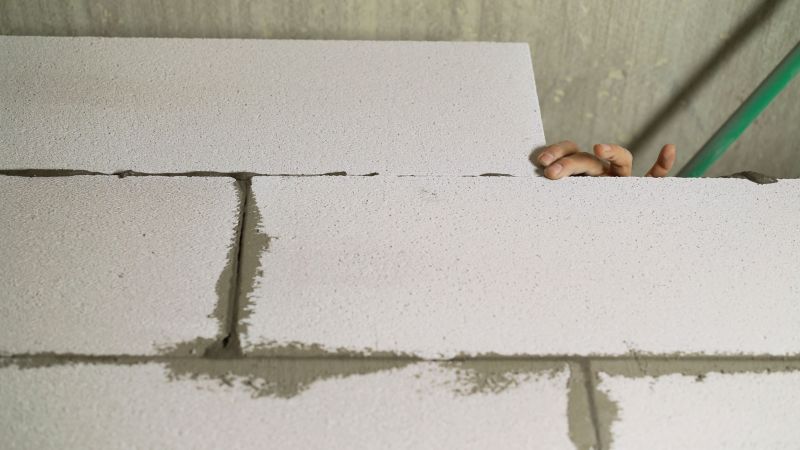
Block wall installation involves constructing sturdy, durable walls made from concrete blocks, also known as cinder blocks or concrete masonry units. This service typically includes laying the blocks in a precise pattern, reinforcing the structure with mortar and sometimes additional materials like rebar, and finishing the surface to ensure stability and longevity. Whether building a new boundary or reinforcing an existing one, professional contractors focus on creating walls that are both functional and visually appealing. This process requires careful planning and skill to ensure the wall is level, secure, and capable of withstanding the elements over time.
Many property owners turn to block wall installation to address specific problems around their homes or businesses. For instance, a block wall can serve as a reliable privacy barrier, preventing unwanted views into outdoor spaces. It can also act as a windbreak or noise barrier, reducing disturbances from nearby roads or neighbors. Additionally, block walls are often used to contain or support landscaping features, such as terraced gardens or retaining walls for sloped yards. In areas prone to erosion or flooding, a well-constructed block wall can help protect foundations and prevent soil movement, offering peace of mind for property owners.
This service is commonly utilized by homeowners with various types of properties, including single-family residences, multi-family complexes, and commercial buildings. Residential properties often use block walls to define property lines, create private outdoor living areas, or improve security around the home. Commercial properties may require sturdy perimeter walls or barriers to secure their premises. Block wall installation is also popular in properties with uneven terrain, where retaining walls are needed to manage soil stability and create level outdoor spaces. Regardless of the property type, professional contractors can tailor the design and construction to meet specific needs and conditions.
Homeowners considering block wall installation should recognize when their property could benefit from this service. Common signs include a desire for increased privacy, the need to contain or support landscaping features, or concerns about soil erosion and stability. If a property has sloped or uneven ground that makes traditional fencing impractical, a retaining block wall can provide a practical solution. Additionally, properties located in areas with high winds or noise pollution may find that a block wall enhances outdoor comfort and security. Contacting experienced local contractors can help determine the best approach for each property, ensuring a durable and effective wall that meets its intended purpose.
The overview below groups typical Block Wall Installation projects into broad ranges so you can see how smaller, mid-sized, and larger jobs often compare in Long Island, NY.
In many markets, a large share of routine jobs stays in the lower and middle ranges, while only a smaller percentage of projects moves into the highest bands when the work is more complex or site conditions are harder than average.
Small Repairs - Typical costs for minor block wall repairs, such as fixing a few damaged blocks or re-mortaring, generally range from $250-$600. Many routine jobs fall within this middle range, depending on the extent of damage and accessibility.
Partial Wall Installations - Installing a new section of a block wall, like a garden or retaining wall up to 50 feet long, can cost between $1,500-$4,000. Larger, more complex projects may push beyond this range, but most fall within the middle tiers.
Full Wall Replacement - Replacing an entire existing wall or constructing a large, multi-section boundary typically ranges from $4,000-$10,000. These projects tend to be on the higher end, especially if additional features or permits are involved.
Large-Scale Projects - For extensive retaining walls or commercial-grade block structures, costs can reach $15,000 or more, depending on size, design complexity, and site conditions. Such projects are less common and usually involve detailed planning and materials.
Actual totals will depend on details like access to the work area, the scope of the project, and the materials selected, so use these as general starting points rather than exact figures.
Retaining Wall Construction - local contractors skilled in building retaining walls often use similar masonry techniques and planning as block wall installation projects.
Concrete Block Fencing - installing fences with concrete blocks shares tools, layout skills, and structural considerations with block wall services.
Brick Masonry Projects - bricklaying requires comparable skills in mortar application, wall alignment, and material handling as block wall installation.
Garden Wall Building - creating decorative or functional garden walls involves planning and masonry skills similar to those used in block wall services.
Paving and Patio Installation - paving projects often require precise leveling and layout skills akin to installing block walls for outdoor spaces.
Foundation Wall Repair - repairing or replacing foundation walls involves masonry expertise and planning similar to new block wall construction.
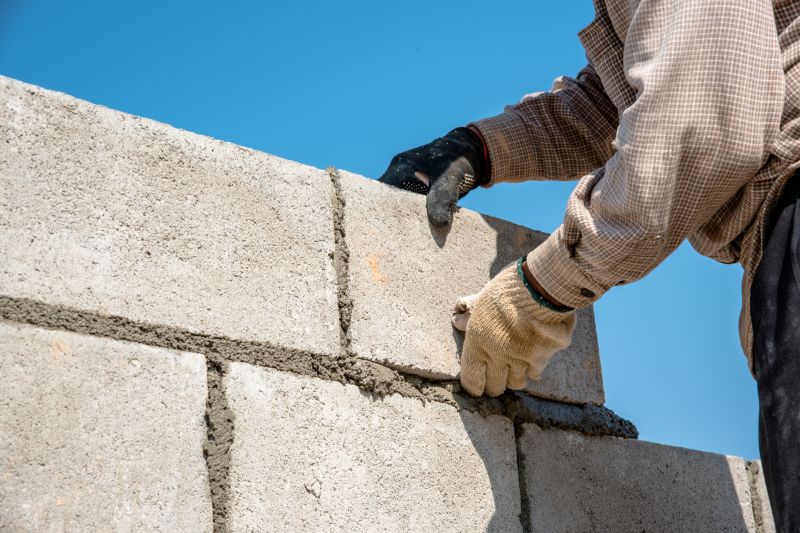
When selecting a contractor for block wall installation, it’s important to consider their experience with similar projects in the area. Homeowners should look for service providers who have a proven track record of completing block wall work in Long Island or nearby communities. An experienced contractor will be familiar with local soil conditions, common challenges, and best practices, which can contribute to a durable and properly executed wall. Asking for examples of previous work or references from past clients can provide valuable insight into their expertise and reliability.
Clear, written expectations are essential for ensuring that both parties understand the scope and details of the project. Homeowners should seek out service providers who can articulate their approach, materials, and any specific considerations in writing. This helps prevent misunderstandings and ensures that everyone is aligned on the project’s goals. A reputable contractor will be transparent about their process and willing to provide detailed proposals or estimates that outline the work involved, so homeowners can make informed comparisons between local options.
Effective communication and reputable references are key indicators of a dependable service provider. Homeowners are encouraged to speak with potential contractors to gauge their responsiveness and professionalism. Additionally, requesting references from previous clients who had similar block wall projects can help verify the contractor’s reputation for quality and reliability. Remember, the site introduces homeowners to local contractors who can handle the work, but it does not perform the installation itself. Comparing these aspects-experience, clarity of expectations, and communication-can help homeowners find a qualified professional suited to their project needs.
Property owners in Long Island, NY use Block Wall Installation services for practical projects around their homes and businesses. This guide focuses on everyday jobs and straightforward project options.
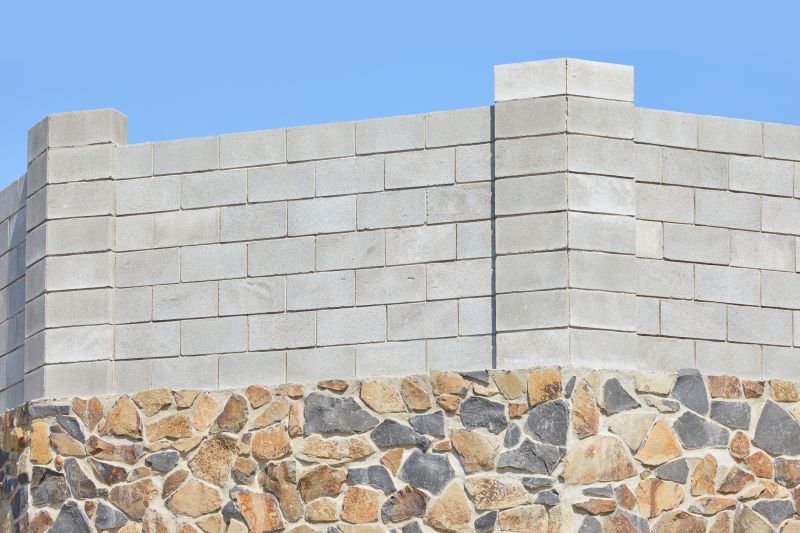
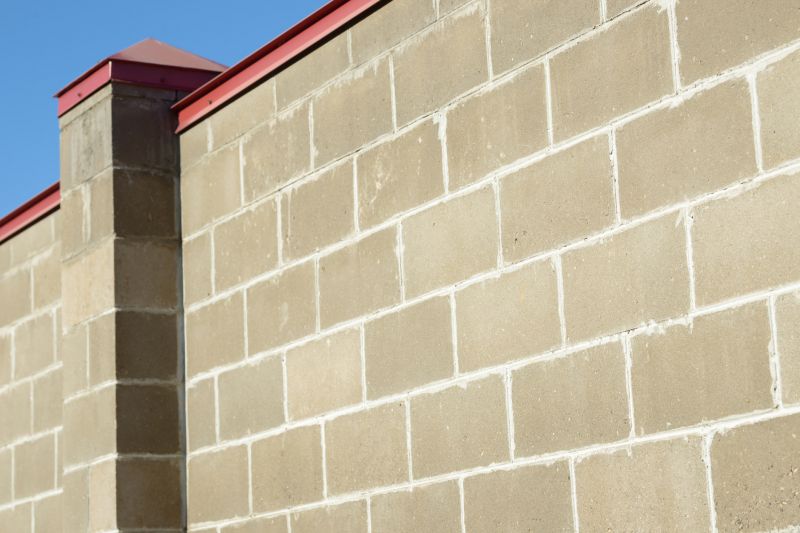
Property owners in Long Island, NY often consider block wall installation when defining outdoor spaces or creating privacy barriers around their yards. Whether establishing a secure boundary for children and pets or adding a decorative touch to a garden, local contractors can provide solutions that suit the specific needs of the property. Additionally, some may seek block walls to prevent soil erosion on sloped terrain or to enclose a driveway or patio area, enhancing both safety and curb appeal.
In other cases, homeowners might look for block wall services to repair or replace aging or damaged structures that no longer serve their purpose effectively. Whether dealing with weather-related wear or simply upgrading an existing wall, local service providers can handle projects of various sizes. These projects often arise from everyday situations like expanding outdoor living spaces or improving the overall structure of a property, making the expertise of nearby contractors valuable for achieving durable and visually appealing results.
What are the benefits of choosing block wall installation? Block walls provide durability, privacy, and a classic appearance for residential or commercial properties in Long Island, NY.
What types of block walls are available for installation? Local contractors can install various types of block walls, including concrete, cinder, and decorative styles to suit different needs and aesthetics.
How do I find experienced professionals for block wall installation? You can contact local service providers who specialize in masonry and wall construction to compare options and select the right contractor for the job.
Are there different design options for block walls? Yes, local contractors offer a range of design choices, from simple privacy walls to elaborate decorative patterns and finishes.
What factors should be considered when planning a block wall project? It’s important to consider the purpose of the wall, the property layout, and the type of blocks that best fit the desired look and function, with guidance from local experts.
Property Boundary Definition - Installing a block wall can clearly mark property lines, helping prevent disputes with neighbors.
Garden and Landscape Borders - A block wall provides a sturdy edge for gardens or flower beds, creating a neat and organized outdoor space.
Privacy and Security Enhancements - Adding a block wall around a yard can increase privacy and create a secure area for children or pets.
Outdoor Living Space Creation - A block wall can serve as a foundation for patios or seating areas, making outdoor entertaining more comfortable.
If you are thinking about Block Wall Installation for a property in Long Island, NY, this guide is meant to help you understand the work, the typical project types, and how different options might fit your plans.
When you are ready, you can use the quote form on this page to share a few details about your project. From there, local pros can review the basics and respond with options that match what you have in mind.